

Books About the People-Plant Connection
go.ncsu.edu/readext?1103103
en Español / em Português
El inglés es el idioma de control de esta página. En la medida en que haya algún conflicto entre la traducción al inglés y la traducción, el inglés prevalece.
Al hacer clic en el enlace de traducción se activa un servicio de traducción gratuito para convertir la página al español. Al igual que con cualquier traducción por Internet, la conversión no es sensible al contexto y puede que no traduzca el texto en su significado original. NC State Extension no garantiza la exactitud del texto traducido. Por favor, tenga en cuenta que algunas aplicaciones y/o servicios pueden no funcionar como se espera cuando se traducen.
Português
Inglês é o idioma de controle desta página. Na medida que haja algum conflito entre o texto original em Inglês e a tradução, o Inglês prevalece.
Ao clicar no link de tradução, um serviço gratuito de tradução será ativado para converter a página para o Português. Como em qualquer tradução pela internet, a conversão não é sensivel ao contexto e pode não ocorrer a tradução para o significado orginal. O serviço de Extensão da Carolina do Norte (NC State Extension) não garante a exatidão do texto traduzido. Por favor, observe que algumas funções ou serviços podem não funcionar como esperado após a tradução.
English
English is the controlling language of this page. To the extent there is any conflict between the English text and the translation, English controls.
Clicking on the translation link activates a free translation service to convert the page to Spanish. As with any Internet translation, the conversion is not context-sensitive and may not translate the text to its original meaning. NC State Extension does not guarantee the accuracy of the translated text. Please note that some applications and/or services may not function as expected when translated.
Collapse ▲
A therapeutic horticulture bookshelf
December is a perfect time to “bookend” the gardening year with some reading to grow our minds after the outdoor growing season has come to a close. After you’ve put your garden to bed, here are a few books that highlight the people-plant connection. These books are perfect for your wish list when someone asks “what can I get you?” and they’re excellent gifts for the therapeutic horticulturists on your gift list. Find these books at your favorite bookstore or resale site to stock your winter gardening library:

The Well-Gardened Mind, Sue Stuart-Smith, 2020, Simon & Schuster
The author is a psychiatrist, psychotherapist, and gardener, as well as partner to renowned garden designer Tom Stuart-Smith. In her 2020 bestseller book, she interviews people from all different walks of life who have experienced the life-changing benefits of gardening; Stuart-Smith wanted to connect the avalanche of anecdotal evidence to academic rigor and truly understand why the people-plant connection correlates so reliably to improved mental health. Her book reads easily, but you will come away with a deep understanding of why therapeutic horticulture works across so many different populations.
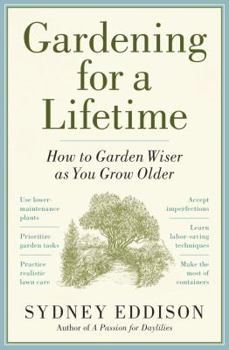
Gardening for a Lifetime, by Sydney Eddison
Gardening for a Lifetime, Sydney Eddison, 2011, Timber Press
In 1961, Sydney Eddison moved into her Newtown, Connecticut home and garden to enjoy decades of the many benefits of cultivating plants. Her book describes the health challenges she and her husband experienced as they approached their 80s, and how they adapted both themselves and their gardens to create a manageable yet satisfying landscape that they could continue to work in and enjoy. Through the book, you will learn how they converted high-maintenance borders into shrub and perennial plantings, how they re-thought hiring qualified assistance, and how they have managed to stay in their home and garden through the changes we experience in the later decades. This book is not in print, but it can be easily found in the many secondary booksellers, and is highly recommended for anyone who plans to keep gardening as long as they can.
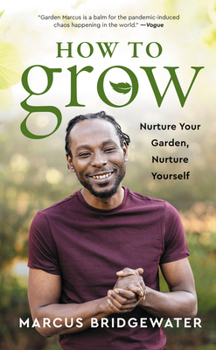
How to Grow, by Marcus Bridgewater
How to Grow, Marcus Bridgewater, 2022, HarperOne
Garden Marcus is an internet personality with an important message: from a background filled with barriers and challenges, he forged a deep connection with plants that taught him resilience, kindness, patience, and positivity. Instead of becoming a statistic, Marcus has become a voice of wisdom who encourages people to find the life lessons that plants can teach us when we slow down, listen, and learn. His first book, How to Grow, is very accessible and readable; his insights are profound, and readers go away with new appreciation for our plant communities and what they have to teach us when we foster our mutual growth.
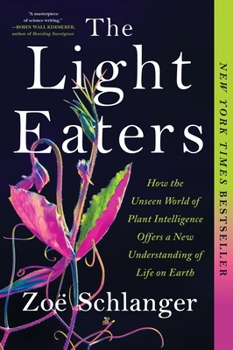
The Light Eaters, by Zoe Schlanger
The Light Eaters, Zoe Schlanger, 2024, Harper
Plants create their own food from photosynthesizing light into digestible sugars, which is a remarkable ability on its own. Taking a break from the emotionally exhausting assignment of writing on climate change, Zoe Schlanger wrote this masterpiece that pulls together many different strands of plant science to reveal the incredible feats of resiliency and adaptability that the plant world has already accomplished in our changing environment. Readers will finish this book with a new appreciation of our plant community, and awe at the beauty and complexity of the ecosystem we all navigate together. As therapeutic horticulturists, part of our work is to introduce people to the wonder of the plant world: this book is a tremendous way to deepen our understanding of all that plants have to offer.

Windowsill Whimsy, by Hank Bruce & Tomi Jill Folk
Windowsill Whimsy: Gardening and Horticultural Therapy Projects for Small Spaces, 2008, Hank Bruce and Tomi Folk, Petals and Pages Press
Many therapeutic horticulturists and horticultural therapists can easily rely on a loose idea of what can be done out in the garden on any given session day during the outdoor growing season, but when the weather turns inclement and cold, it can be more difficult to find meaningful indoor activities. This book features excellent activities to connect people and plants across the lifespan and ability spectrum, with lots of educational material, games, adaptations, safety information, and more. It’s a great place to turn when you need something just a little different and more inspired to engage your groups.

Mindfulness in the Garden, by Zachiah Murray
Mindfulness in the Garden: Zen Tools for Digging in the Dirt, Zachiah Murray, 2012, Parallax Press.
This small book is a quiet space for us as practitioners to enter the garden, contemplate the wonder of plant growth, and find common ground with the earth we tend inside ourselves and out in the world. We can use these vignettes with groups or keep this treasure to ourselves as a tool for restoration and reconnection. We must recharge ourselves in order to be of use to our participants, and this book is a way to gently remind us why and how we care enough to maintain the people-plant connection.
Wishing you peaceful reading and relaxation as we enter the quieter months of the year, preparing for growth and abundance in 2026!