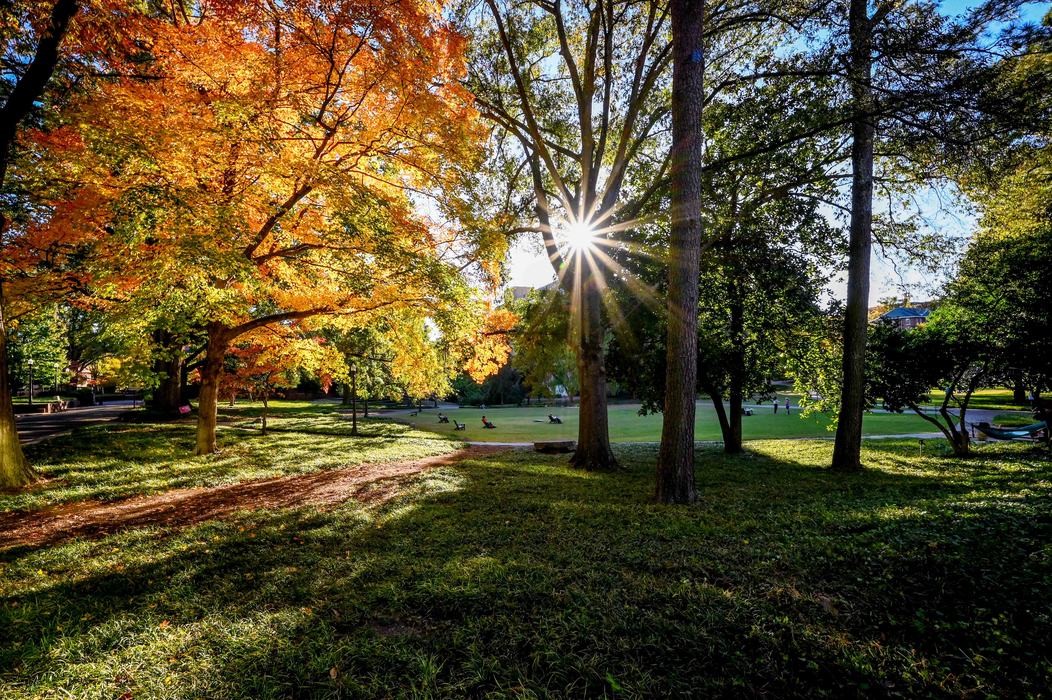
As therapeutic horticulture professionals, we spent the spring planting intentions and the summer managing the beautiful chaos of peak growth. November changes the rules. The days are noticeably shorter, the air has a sharp bite, and the growing season comes to an end.
To the untrained eye, November looks like decay. To a therapeutic horticulturist, it’s the perfect canvas for practicing gratitude.
When the flashy blooms are gone and the soil prepares for sleep, we are left with the bones of the garden. This transition offers a profound therapeutic metaphor for our participants: acknowledging that even when a season ends, it leaves behind gifts, lessons, and the groundwork for future growth.
Here is how you can weave the concept of gratitude into your therapeutic horticulture sessions this month, along with practical activities to try with your groups.
November Metaphors: Production to Reflection
Throughout the active growing season, our participants often focus on production: how many tomatoes did we pick? How tall are the sunflowers? But gratitude requires a shift in perspective. In November, we can remind participants to appreciate the process as well as the product.
Using the garden's transition, we can explore several therapeutic themes:
Honoring the Underground: Just because we can’t see the growth doesn't mean it isn't happening. Bulbs are rooting; microbes are working. We can be grateful for our own unseen internal progress.
Embracing Decay as Preparation: Dead leaves and spent stalks aren't waste; they are tomorrow’s compost and winter protection. Beneficial pollinators nestle in the fallen leaves and hollow stems throughout the cold months, preparing to help produce next year's vegetables. Gratitude in November also means thanking the difficult moments of the past season for the strength they provided.
Rest as a Necessity: The garden doesn't apologize for going dormant. We can express gratitude for the permission to rest, slow down, and recharge.
Time outdoors is more comfortable in the cooler air
Therapeutic Activities for Cultivating Gratitude
Here are a few adaptable, low-cost activities designed to bridge the gap between seasonal garden cleanup and internal reflection.
1. The Seed-Saving Gratitude Packet
Seed saving is inherently hopeful. By saving seeds now, we can thank this year’s plants while investing in the next growing season.
The Horticultural Task: Harvest dried seed heads (e.g., marigolds, sunflowers, echinacea, or beans) from the garden. Clean the seeds by separating them from the chaff.
The Therapeutic Mirror: Provide plain paper seed packets. Ask participants to write or draw three things they are grateful for from the past year directly onto the packet.
The Concept: The seeds represent the hidden potential born from past work. Participants seal their gratitude away for the winter, to be opened and planted in the spring as a reminder of resilience.
2. Botanical Gratitude Bundles (Sensory Foraging)
November's palette is subtle: browns, deep reds, muted greens, and silvery seed pods. This activity focuses on mindfulness and sensory appreciation of the "leftovers."
The Horticultural Task: Take participants on a mindful walk through the garden to forage for dried grasses, seed pods, evergreen sprigs, and interesting twigs. An adaptation for those who need seated activities would be to provide trays of foraged material and introduce them to the group.
The Therapeutic Mirror: As they select each item, ask them to identify one small comfort it represents, such as a warm coat, a good cup of tea, or a supportive friend. Tie the items together with jute twine to create a rustic smudge-stick style bundle or a mini-wreath.
The Concept: It challenges the idea that "nothing is left." By finding beauty and meaning in the remnants of the garden, participants practice finding light in darker, leaner times and reframing our negative perceptions.
3. "Composting" Our Challenges
Gratitude isn't just about the easy things; it’s about finding value in the dirt. This activity uses the compost pile as a literal and figurative transformative tool.
| The Garden Reality
The Therapeutic Metaphor
Dead plants, rot, and cold soil mixed with air, water, and time becomes rich, nourishing compost.
Heartbreak, mistakes and grief mixed with reflection and patience becomes wisdom, growth and hope
The Horticultural Task: A final cleanup of the garden beds. Gather spent annuals and fallen leaves to add to the compost bin.
The Therapeutic Mirror: Give participants biodegradable or water-soluble paper. Ask them to write down a struggle or hardship they faced this year, followed by one thing that struggle taught them (the silver lining).
The Concept: Toss the papers into the center of the compost pile together. As the paper breaks down over the winter, it turns into nutrients for next year's soil. We practice gratitude for the lessons taught by our challenges, letting go of the pain while keeping the wisdom.
Find things to appreciate every day
Final Thoughts for the Practitioner
November can be a tough month for attendance and energy as the seasonal blues start to creep in. By anchoring your sessions in gratitude, you give your participants a psychological anchor, too. You are reminding them that the cold is temporary, the rest is earned, and the garden always remembers how to grow.
Take a moment this month to extend that gratitude to yourself, too. You’ve nurtured both plants and people this year...that is a harvest worth celebrating!