Nelson Mandela: Prisoner, President . . . Therapeutic Horticulturalist?
(Updated: Aug. 13, 2024, 1:22 p.m.)
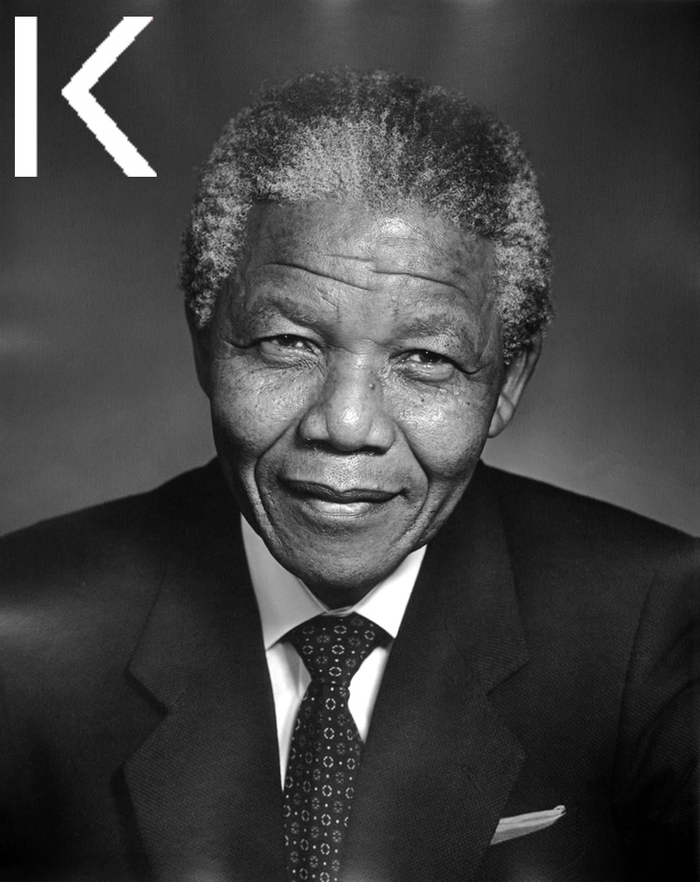
By Kurt Shillinger, The Christian Science Monitor, December 5, 2013
"Nelson Mandela and his extraordinary life will enrich the great moral debates on war and peace for generations to come. For the moment, however, at the news of his death, I am thinking about tomatoes – in my garden in South Africa and in Mandela's prison garden."
Here are a few quotes from the article- "'Pressing his wardens for garden pots was one of his many smaller battles behind bars to compel the apartheid regime to acknowledge the dignity of its political prisoners. Yet he gladly graced his wardens’ tables with the vegetables he grew."
- "After 18 years imprisoned on Robben Island, Mandela and his colleagues were transferred to a prison on the mainland outside Cape Town. Pollsmoor was a concrete monolith. The political prisoners, however, had had a small garden in their cell block courtyard on the island, and Mandela was determined to have one again in his new circumstances. 'Within a few weeks of surveying all the empty space we had on the building’s roof and how it was bathed in sun the whole day, I decided to start a garden and received permission,' Mandela recalled. 'I requested that the prison service supply me with sixteen 44-gallon oil drums that I had them slice in half. The authorities then filled each half with rich, moist soil, creating in effect thirty-two giant flower pots. I grew onions, eggplant, cabbage, cauliflower, beans, spinach, carrots, cucumbers, broccoli, beetroot, lettuce, tomatoes, peppers, strawberries, and much more. At its height I had a small farm with nearly nine hundred plants.'”
Kurt Shillinger, former Africa correspondent for The Boston Globe, lived in South Africa from 1997 to 2008.
Subscribe for Email Updates
Receive periodic email updates on topics you care about.
SUBSCRIBE
Written By
More About